Stormwater Drains Toronto
Stormwater drains in Toronto overflow when silt, leaf litter or roots choke the downpipes, pits and yard lines carrying roof water toward the lake. We scour the line with a jetter or an electric eel, confirm it holds flow, and quote a fixed figure before work starts.
The job runs as part of our blocked drains work for a plumber in Toronto, booked day or night on (02) 4093 0558.
Licensed plumbers and gas fitters · NSW Lic. 359278C
Last updated September 2026
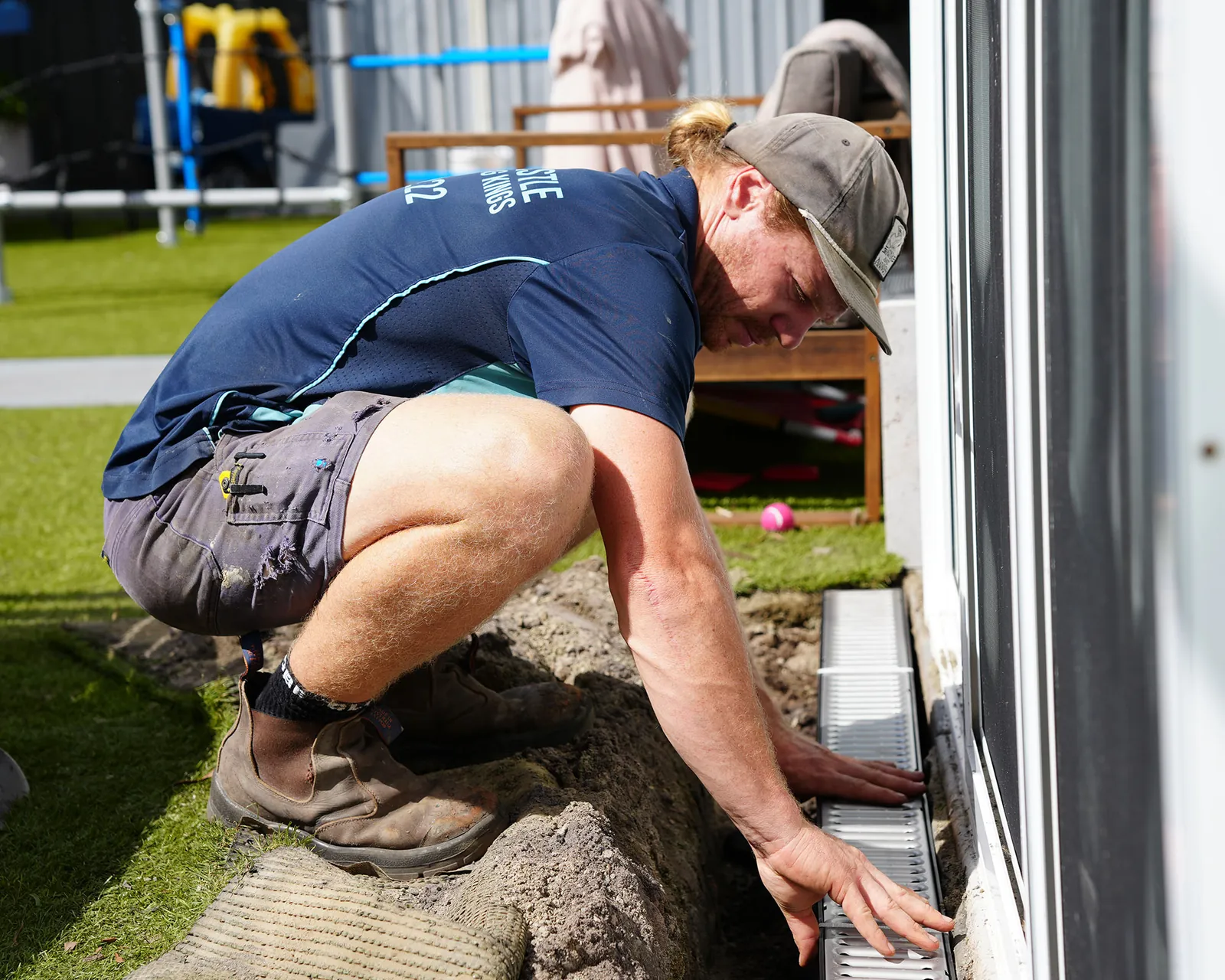
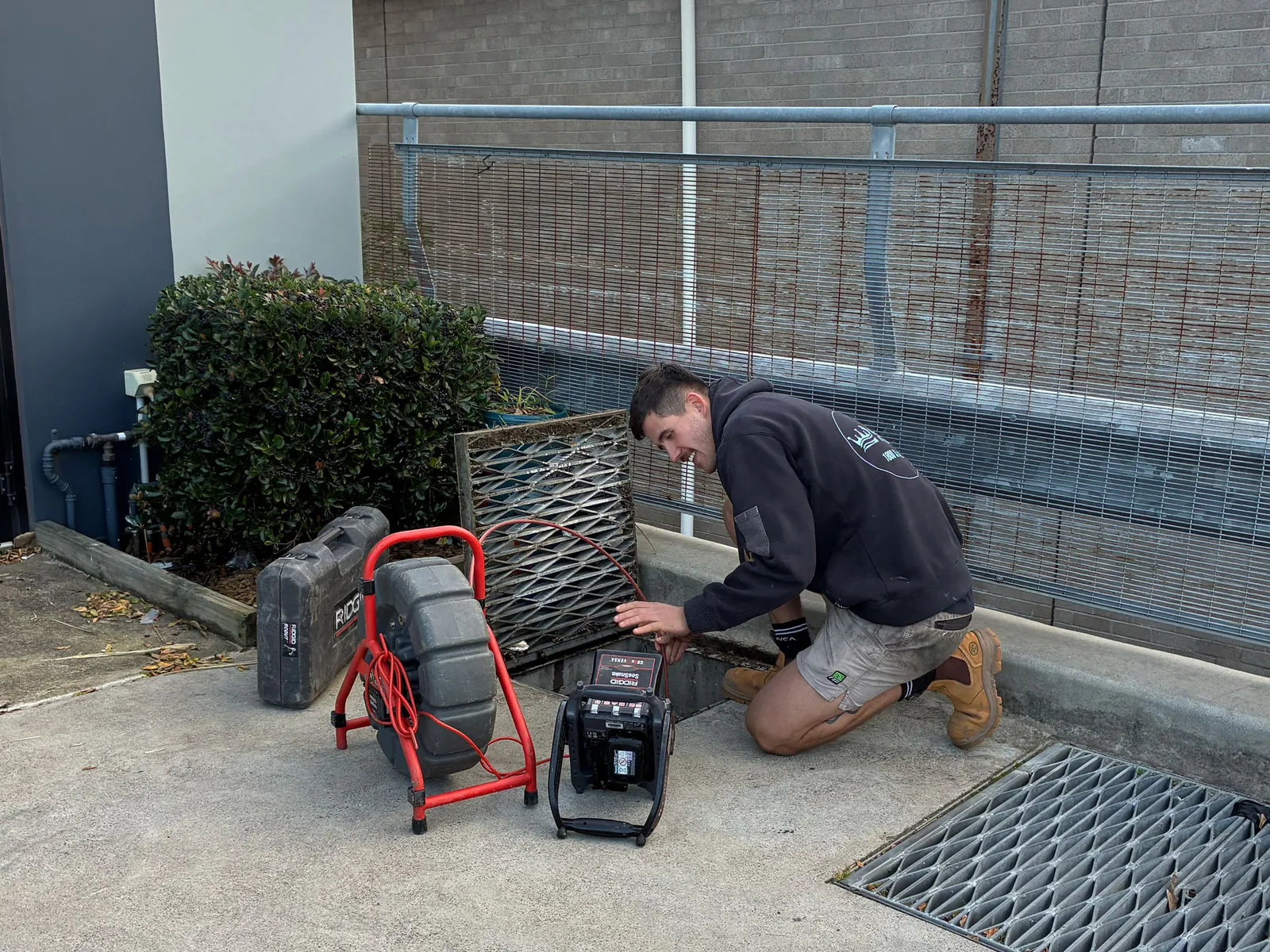
What Blocks a Stormwater Line Here?
Stormwater carries whatever the sky drops, so it blocks differently to a sewer. Four causes cover the common cases:
Leaf litter and silt
Roots
Sagged sections
Plain overload
How We Clear a Stormwater Line
Every clear runs on four moves, in the same order:
Trace the run first
Scour the line
Confirm the flow
Report what we found

What Sets the Price of a Clear?
A stormwater job is priced on what the line holds and how we get to it:
- The length blocked, because four metres of silted pipe scours faster than the whole run to the street.
- What the blockage is, since soft silt jets free quickly, while a root mat or a broken joint becomes a tree root removal or repair conversation.
- Access, because a pit under concrete or a locked grate takes longer to open than an open yard pit.
- Whether you want the camera check after the clear to see the line's condition yourself.
We provide up-front, honest quotes that will always match the final price, should you decide to go ahead.
Storm Season on the Low Streets
The low blocks wear the weather
Shallow ground moves
The rain adds up
What Customers Say
A stormwater job where water refuses to drain is exactly the kind of property challenge this review describes:
[The team] have done an outstanding job at my mother's rental property. The area they worked on was particularly challenging, as it retained water and had become extremely muddy and boggy… The transformation has been remarkable.
When We're Not the Right Call
If water is arriving from outside your boundary, over the kerb from the street or off a rising lake, no drain on your block will hold it back, and the SES is the better first ring. A fault in the council's kerb-side pit belongs to the council; we point out which side of the boundary you sit on before anyone starts digging.
Stormwater Questions, Answered Plainly
Why does my yard flood only when it rains hard?
Because the line is holding water rather than flowing freely. A half-silted stormwater run copes until a decent downpour arrives, then backs up over the pits and lawn first. A clear plus a camera check shows whether silt or a dropped joint is doing the holding.
Do the foreshore streets in Toronto flood because the drains are blocked?
Sometimes partly. Those streets sit low, near lake level, so overland flow heads toward them in any big storm. If your own pits are clear and water still pools, the problem is volume or the street system, and the next step sits with the council, not with your line.
Can you keep roots out of my stormwater line for good?
Clearing takes the roots out of the pipe but not out of the tree. Where the line runs past established trees, pipe relining seals the joints they enter through, and we walk you through that option once the camera shows what state the pipe is in.
Is the stormwater pit at the kerb mine to maintain?
The pit on the street side of your boundary is generally the council's to look after; the ones under your downpipes and in your yard are yours. We mark where your responsibility ends before quoting, so the boundaries are clear from the start.
Need a plumber? Call or send the form
Call (02) 4093 0558 or send the form below. Available 24/7, you see a fixed figure ahead of any work, and every job carries our 365-day warranty on all work.
Request a callback
Leave a name and number and a plumber will ring you back.